1. Traditional Clothing and Attire:
Traditional Bolivian clothing is a striking representation of the country’s rich indigenous heritage, particularly influenced by the Quechua and Aymara peoples. One of the most recognizable garments is the pollera, a layered, brightly colored skirt worn by Cholitas, indigenous women who proudly uphold their traditional identity. They often pair it with a mantilla (shawl) and a bowler hat, which varies in style depending on the region. Men in the highlands wear ponchos for warmth, often made from alpaca or llama wool, which are prized for their softness and insulation. The chullo, a hand-knit woolen hat with earflaps, is another iconic garment, offering protection from the harsh Andean climate. Clothing in Bolivia is deeply symbolic, with colors, patterns, and designs representing different regions and communities. Weaving and textile-making remain essential cultural traditions, passed down through generations.
2. Language and Literature:Bolivia is one of the most linguistically diverse countries in South America. While Spanish is
the official language, Bolivia also recognizes Quechua, Aymara, and Guaraní, among 36 indigenous
languages spoken across the country. These languages are an essential part of Bolivia’s cultural
identity and influence literature, folklore, and oral traditions.
Bolivian literature reflects the country’s history, struggles, and indigenous heritage. Alcides
Arguedas, one of Bolivia’s most famous authors, wrote Raza de Bronce, a novel highlighting the
oppression of indigenous people. Óscar Cerruto and Adela Zamudio are other notable figures who
explored themes of social justice, politics, and identity. Additionally, indigenous oral
traditions remain a crucial part of Bolivia’s storytelling culture, preserving myths, legends,
and historical accounts through generations.
Bolivian music and dance are vibrant expressions of its multicultural heritage, blending
indigenous, Spanish, and African influences. Andean music is characterized by instruments like
the charango (a small stringed instrument), zampona (panpipes), and quena (a wooden flute),
producing haunting melodies that echo the region’s ancient past.
One of Bolivia’s most famous dances is the Diablada, or “Dance of the Devils,” which originates
from the mining town of Oruro. This dance, performed during the Oruro Carnival, features
elaborate costumes and masks representing the battle between good and evil. Another popular
dance is the Morenada, which reflects Bolivia’s African heritage and is performed during
festivals with vibrant costumes and rhythmic drumming. Caporales is a more recent but widely
loved dance that combines Andean and Spanish influences, featuring energetic footwork and
elaborate outfits. The Tinku dance, originating from the Potosí region, is a ritualistic combat
dance symbolizing historical conflicts between indigenous communities.
Bolivian music is diverse, with cueca and huayño being popular genres, often played at
celebrations and social gatherings. Each dance and musical style in Bolivia tells a story of
identity, resistance, and celebration.
Bolivia’s festivals are spectacular displays of faith, tradition, and cultural fusion, where
indigenous beliefs merge with Catholic influences.
One of the most significant celebrations is Carnaval de Oruro, a UNESCO-recognized festival
featuring elaborate parades, traditional dances, and religious ceremonies. It blends
pre-Columbian traditions with Catholic imagery, paying homage to the Virgin of Socavón, the
patron saint of miners.
Another grand festival is Fiesta del Gran Poder, held in La Paz, which honors Jesus Christ as
"El Señor del Gran Poder." The festival features colorful parades, folk dances, and elaborate
costumes, attracting thousands of participants and spectators.
Inti Raymi, the Festival of the Sun, is another major event that traces back to the Inca
civilization, celebrating the winter solstice and honoring the sun god, Inti. This festival is
most prominently observed in Tiwanaku, an ancient archaeological site near Lake Titicaca.
In Potosí and other mining regions, the Tinku Festival is a unique cultural event where
indigenous communities engage in ritualistic combat, symbolizing ancestral traditions and social
harmony.
Additionally, religious festivals such as Corpus Christi and Todos Santos (All Saints’ Day) are
widely celebrated, incorporating indigenous rituals, food offerings, and family gatherings to
honor ancestors and the spiritual world.
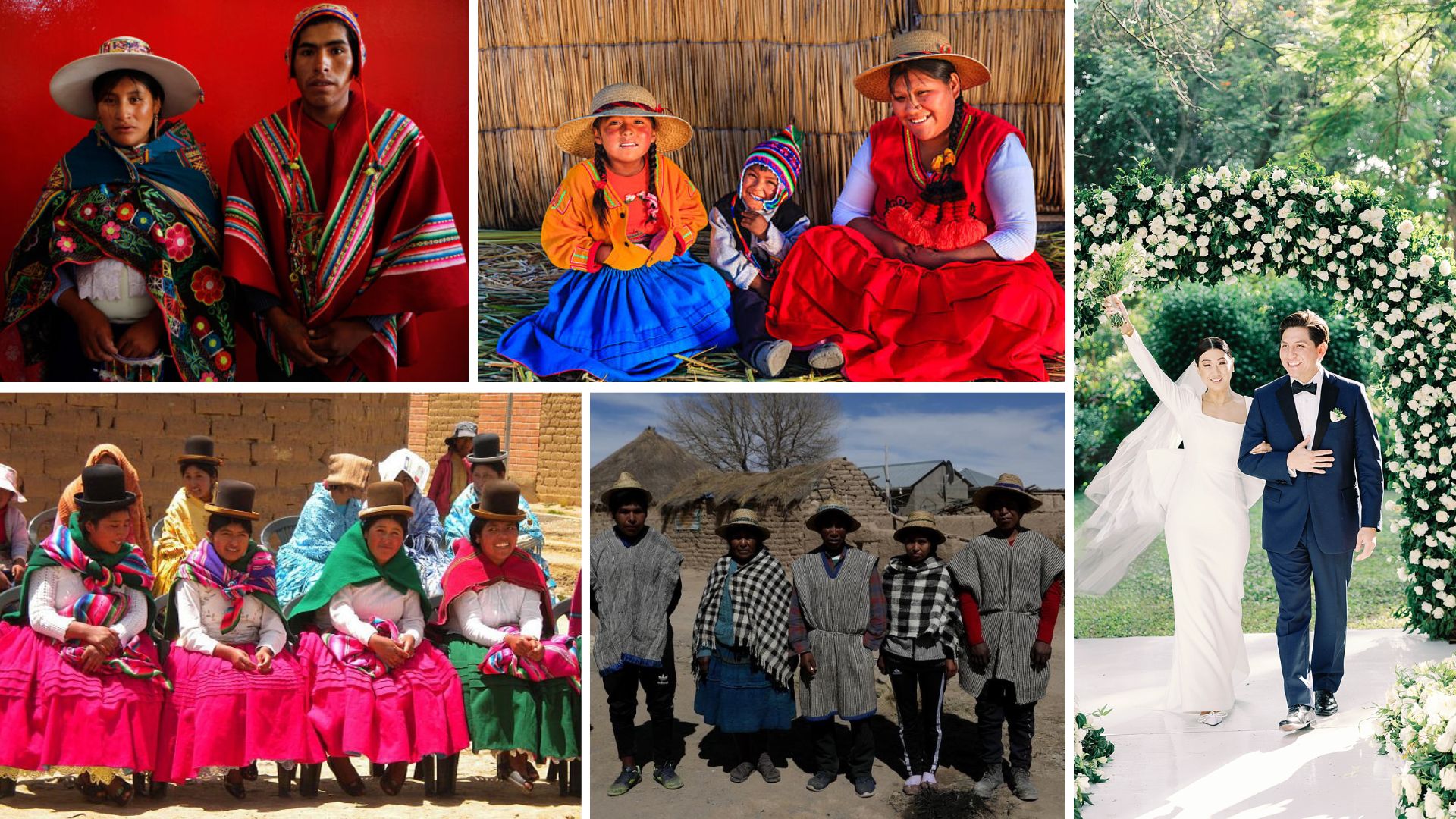
Bolivia Clothing
Bolivian clothing, especially in rural areas, is known for its vibrant colors and traditional craftsmanship. Wool from alpacas and llamas is commonly used to create warm garments like ponchos, scarves, and chullos. Women often wear polleras, layered skirts, paired with embroidered blouses and shawls. Traditional clothing in Bolivia serves both practical and cultural purposes, with different regions showcasing unique patterns and styles. These garments are especially prominent during festivals and celebrations, reflecting Bolivia’s rich indigenous heritage.

Bolivia Food
Bolivian cuisine is a fusion of indigenous ingredients and colonial influences, offering rich and diverse flavors. Signature dishes include salteñas, savory pastries filled with meat and vegetables, and silpancho, a layered dish of rice, beef, and fried eggs. The country is known for its variety of potatoes and grains like quinoa, staples of traditional meals. Chicha, a fermented corn drink, is popular. Bolivian cuisine is celebrated for its unique flavors and deep cultural roots.
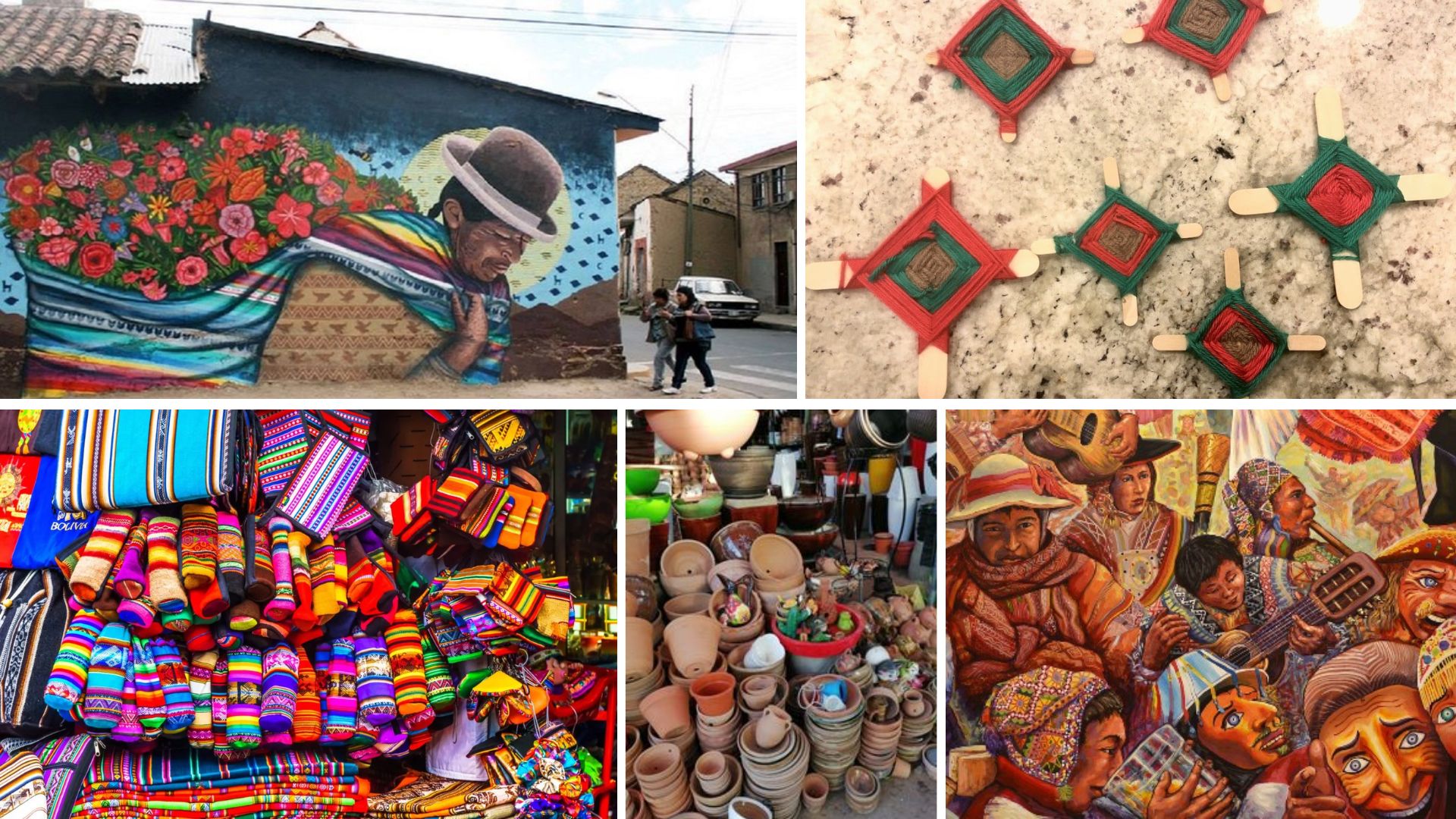
Bolivia Arts and Crafts
Bolivia has a rich tradition of arts and crafts, particularly in textile weaving, pottery, and metalwork. Weaving is an important art form, with vibrant colors and intricate patterns reflecting indigenous traditions. Pottery and ceramics often feature designs inspired by Tiwanaku and Inca cultures, while silver and gold jewelry carry traditional Andean symbols. Totora reed weaving, used to craft boats and household items, is another important craft. These artistic traditions remain an essential part of Bolivia’s cultural heritage.
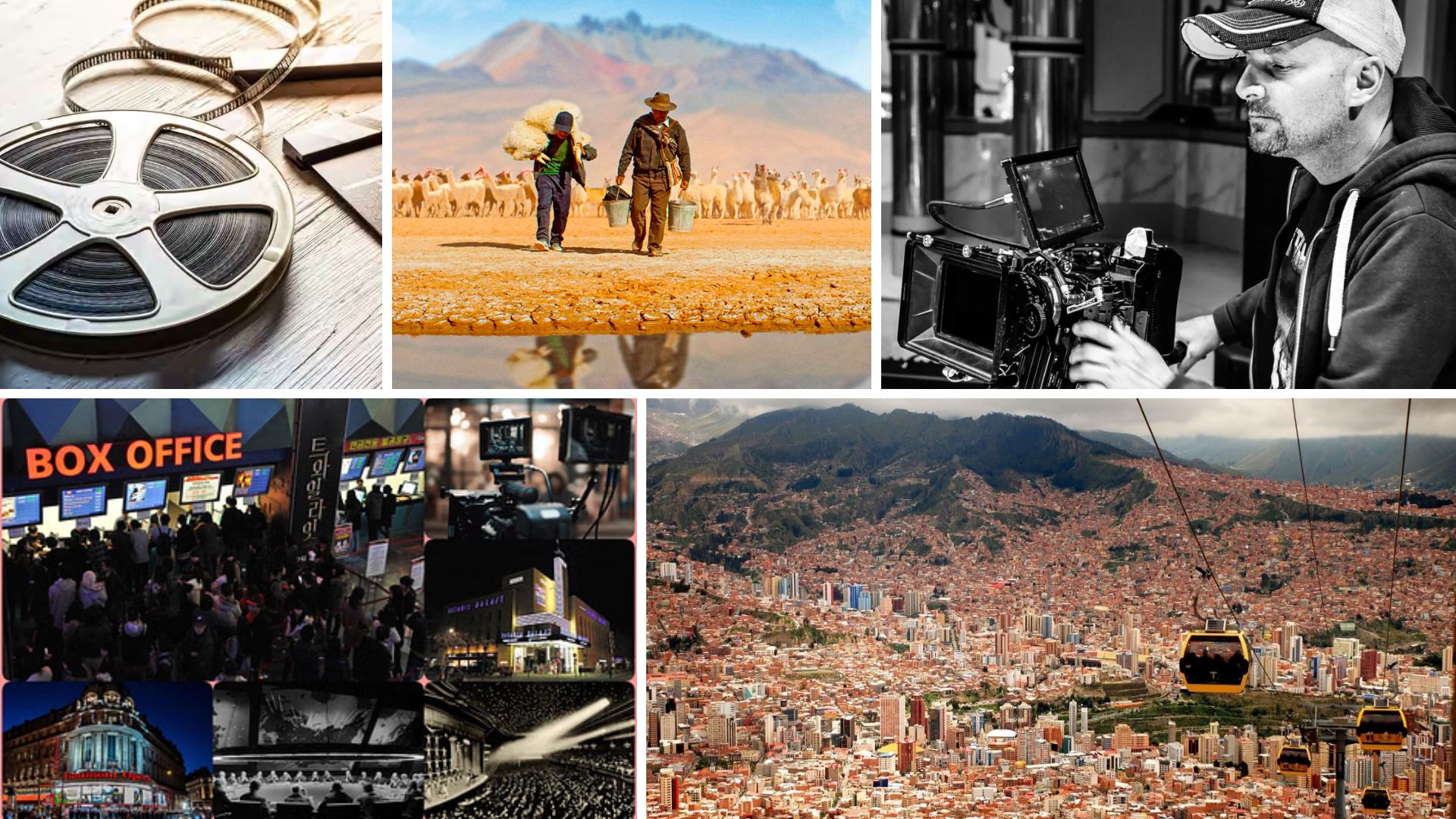
Bolivia Film Industry
Though relatively small, Bolivia’s film industry is gaining recognition for its focus on indigenous life and social issues. Films like "Juana Azurduy, Guerrillera de la Patria Grande" and "Yvy Maraey" explore themes of identity, history, and cultural heritage. Jorge Sanjinés, one of Bolivia’s most renowned filmmakers, has brought international attention to the country’s cinema. Despite limited funding, Bolivian filmmakers continue to highlight the nation’s rich traditions, with independent festivals supporting emerging talent.
Bolivia Economy
Bolivia’s economy is driven by its vast natural resources, including natural gas, lithium, and silver. Mining is a major sector, but it also presents environmental and social challenges. Agriculture plays a key role, with soybeans, quinoa, and coffee among the top exports. Tourism, especially to sites like Salar de Uyuni, contributes significantly. Despite growth, poverty and inequality remain challenges, particularly in rural areas, which the government continues to address.